
When I started researching for my Australia trip I was immediately drawn to Tasmania because of the mountains, waterfalls and beautiful white sandy beaches. I was still unsure how I was going it fit this into my trip but having spoken to people in New Zealand I knew I had to. Then I started properly researching the best route, how many days I wanted to explore the main highlights and came up with this 14 Day itinerary for Tasmania.
While I was travelling, I heard loads of people saying that Tasmania was a mix of both Australia and New Zealand, with the best traits from each. You get the stunning landscapes from the mountains of New Zealand with the amazing (if a little scary) wildlife of Australia. I really enjoyed my time here and I hope you do too!
While travelling Tasmania, always follow the Leave No Trace rule (leave nothing but footprints) and show respect to the environment and the people too.
I hope you find this Tasmania blog helpful and you are excited for your next adventure! If you did let me know in the comments and follow me on Facebook and Instagram for more content.
Help Support My Blog
All my blogs and itineraries are and will be free to view. I have however, partnered with an affiliate site: GetYourGuide. If you found my blog helpful and want to book any tours on their website, please consider using the link in my posts. This won’t cost you a penny more than going direct with them but I get a small commission to help keep my blog up and running. Thank you for your support!
Best Time to Visit Tasmania
Summer is peak season in Tasmania: December, January and February when the weather is warm and dry, getting up to 25 Celsius in some parts. As this is the most popular time to visit, accommodation and car rentals book up fast and prices tend to be more expensive. This time of year is perfect for water sports and the East coast is stunning.
Autumn in Tasmania spans March, April and May gets to temperatures of around 15 to 20 Celsius and is a great season for hiking due to the lower temperatures and there are less people around so prices tend to be slightly less expensive and accommodation/ car hire less competitive. This is the best season for wine tasting too. It gets quite cold in the evenings so bring warmer clothes.
The Winter months in Tasmania are June, July and August are the wettest and coldest months with occasional snowfall at higher elevations. Temperatures tend to be warmer than mainland Australia with temperatures between 3 to 10 Celsius. Bring waterproofs and warm clothing for this season.
Lastly, in Spring: September, October and November the weather in Tasmania is warming up, and so the flowers are all in bloom. Snowfall is still common in the mountains and the wind tends to pick up too so it gets relatively chilly.
Car vs Public Transport
While it is possible to get to the bigger cities by bus, in order to see all there is to see in the more remote areas of Tasmania, a car is the best way to explore. Or a tour company, but you get more freedom with your own car.
Another popular option is hiring a van. It is generally more expensive for solo travellers, as they are less fuel efficient than cars but you save money on accommodation. You can also park in any of the scenic lookout points for food or a cup of tea/ coffee while admiring the gorgeous Tasmanian scenery!
Can I travel to Tasmania on a Budget?
The accommodation in Tasmania is pretty expensive and there is a high import rate of commodities and goods. However, it is still possible to keep costs down by staying in hostels and cooking your own meals.
Good to Know
There is a lot of history in Australia and especially Tasmania. Try and read all the signs as you visit to get a sense of how much the British had an impact on the Indigenious people and the convicts that were sent there to reform and colonise the area.
You need a National Park Pass for every park that you enter in Tasmania. I bought the Holiday Pass which includes entry into all Tasmanian national parks for up to 2 months. The vehicle pass (up to 8 people) is almost $100 but it’s cheaper than buying a different pass for each Daily Park Pass ($47).
Tasmania has the highest road-kill in the world so drive carefully, slow down when the signs tell you wildlife is common in that area and try not to drive at night. I’d recommend getting good car insurance too.
14 Day Overview
- Days 1 – 4: Hobart
- Days 4 – 6: Port Arthur
- Days 6 – 8: Freycinet
- Days 8 – 9: Bay of Fires
- Days 9 – 11: Cradle Mountain
- Days 11 – 12: Strahan
- Days 12 – 14: Mount Field National Park
- Day 14: Hobart
Days 1-4: Hobart
To get to Tasmania I flew into Hobart but you can also get the ferry from Geelong (a city near Melbourne) to Devonport. The ferry takes almost 12hrs to cross and most of the sailings are in the afternoon so you arrive the morning of the next day. The waters can be quite rough as well. If you do take the ferry from Devonport, you can still follow this itinerary with Cradle Mountain being your Day 1.
As soon as I arrived in Hobart, I instantly liked it. The first reason was the decrease in humidity from the East Coast of Australia, where I had just been travelling. The second reason was the gorgeous view of Mt Wellington overlooking the city. It was also the first place I had visited in Australia that had historic/ old buildings and the city felt more European with its windy roads.
I stayed in a really nice hostel in Salamanca which was the perfect location for the Saturday Market. If you are in Hobart on a Saturday this is a must, it is an amazing market which took me right back to London with its locally-made crafts and food/ drink stalls.
Other activities to do in Hobart include either walking up to Mt Wellington from the base of the mountain, taking the public bus half-way up the mountain and walking the rest of the way or booking onto the kunanyi/Mt Wellington Explorer Bus shuttle service that takes you from Hobart to the summit of the mountain and takes 2hrs 30mins at $45. The views from the top of the mountain are so beautiful you definitely need to make a trip up to see it!
The other is the top attraction on TripAdvisor: Museum of Old and New Art otherwise known as the MONA. Everyone really hyped this place up, but for me, I found it pretty much the same as any other gallery I have been to and was a bit disappointed. That isn’t to say that you won’t enjoy it, I am not a huge fan of art galleries anyway so if you like them, this one will probably be worth your time and money ($39 for adults). On the website, it makes it seem like you need to take the ferry to get there, this can be a cool option but it’s much cheaper to get the bus from Hobart Interchange, Elizabeth St, Stop A1 to Stop 33, No.656 Main Rd and its a 9mins walk from there. The buses still use cash and don’t always carry change so try and have coins on you to pay the correct fare.
While in Hobart, I found out that there was at least one platypus living in the rivulet in the city. You have a chance to spot them while walking along the rivulet, but I couldn’t find them, maybe you’ll have more luck! The best time to see them are dawn and dusk but they have also been spotted during the day. If you don’t manage to see them here, don’t worry, there are a couple more spots in Tasmania for a chance to see these fascinating animals.
Before, picking up your car, I recommend doing a day tour to Bruny Island. I loved this place and the tour I went on was amazing. The scenery is so beautiful and the tour companies also take you for food, chocolate tasting and honey tasting where you can try the expensive Manuka honey for free. I recommend going with a tour company as you have to get a short ferry ride over to the island and you don’t want to miss the last one because there’s not much on the island if you get stuck. On that note, there are not many food or fuel stops on the island and you get information on the history of the island and how the Indigenous people were treated when the Brits come over. Although, these stories were upsetting, it’s always good to learn about the history of the places you go to.
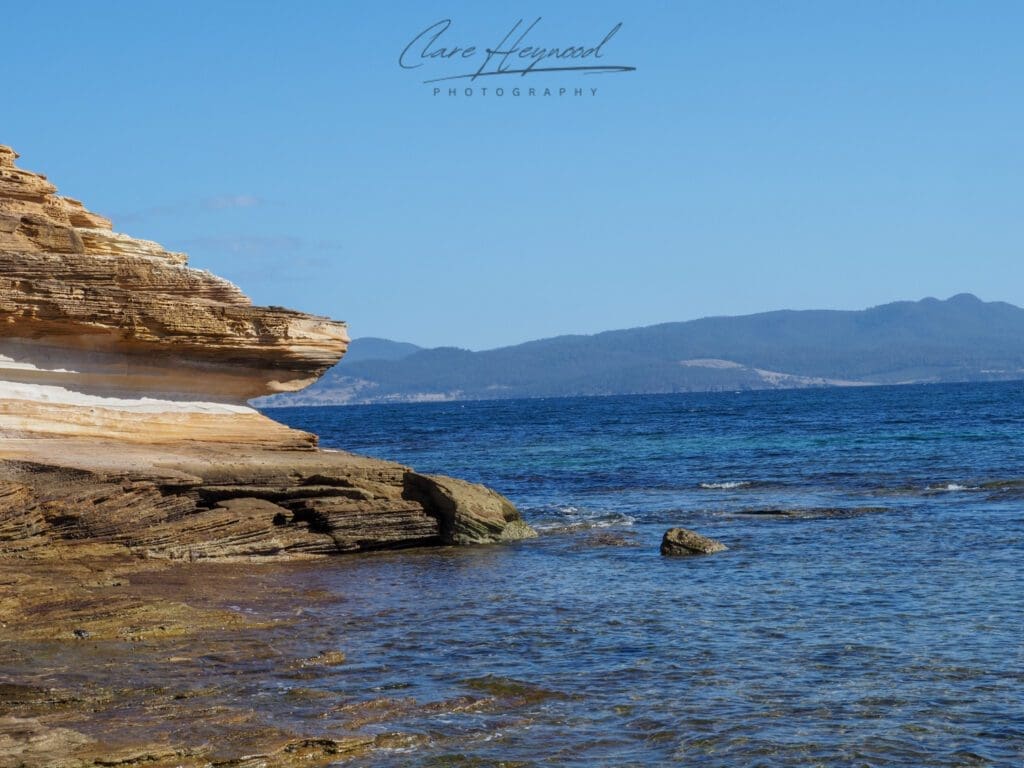
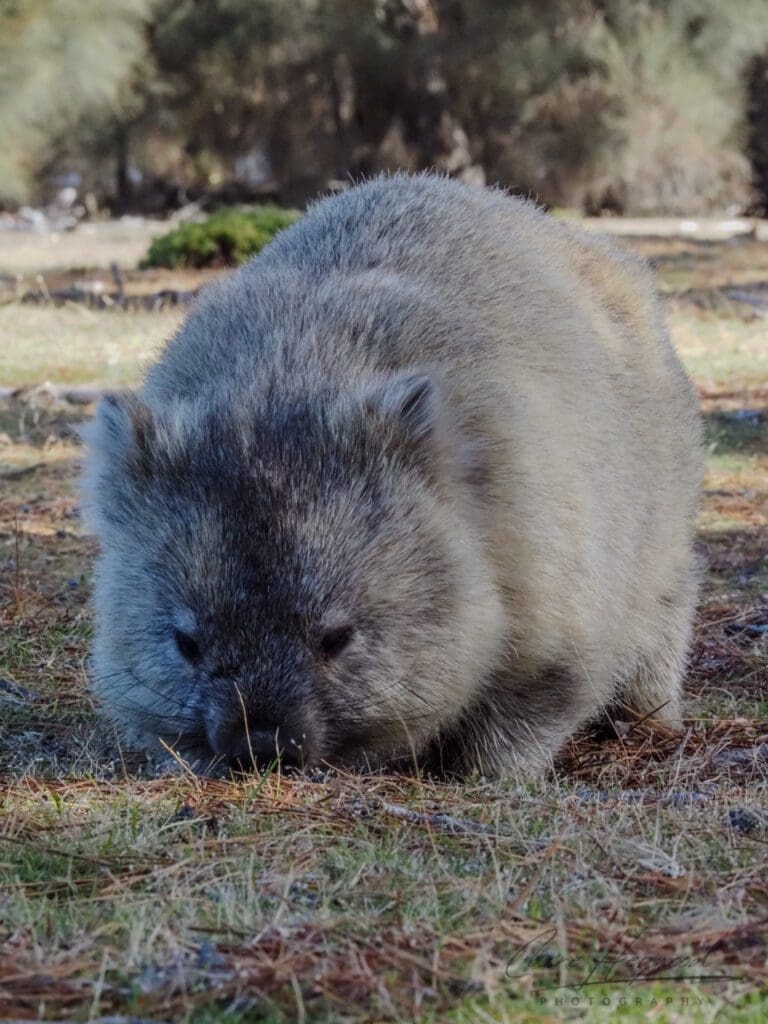
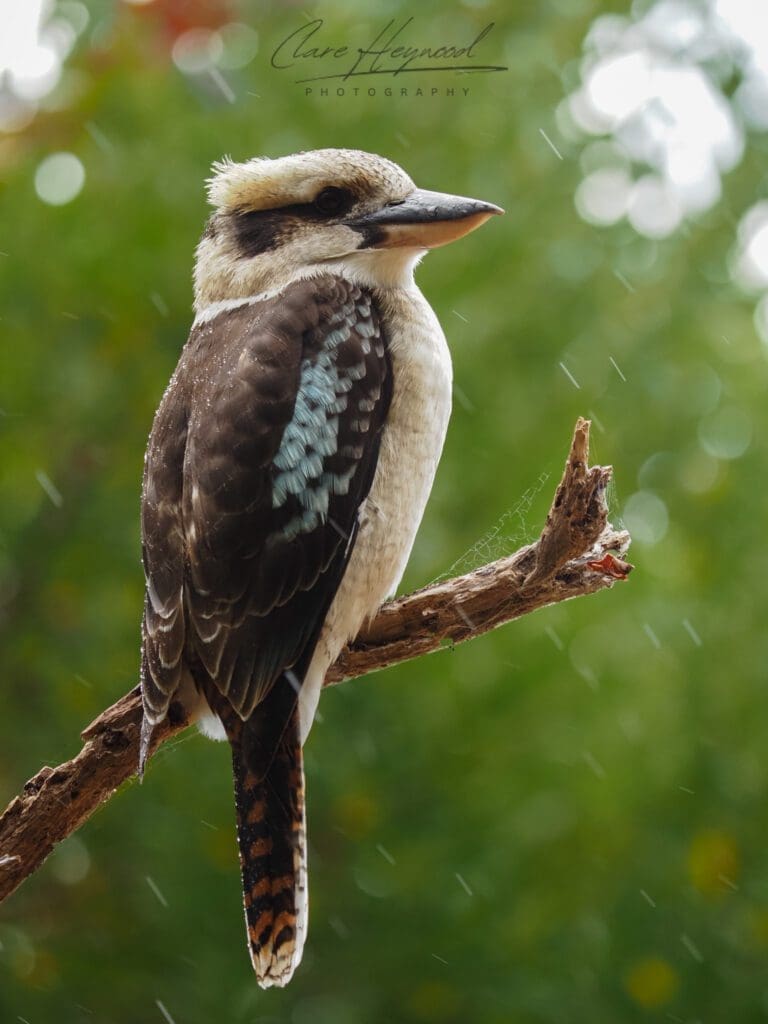
An option once you have picked up a car, is to do a day trip to Maria Island or the ferry company have shuttle buses, if you are able to book in advance. You need a parks pass to enter the island but you can buy this with your ferry ticket on the same website. I suggest doing this trip from Hobart as the accommodation near the ferry port (Triabunna) is expensive and in short supply if you go in the peak season. I took the earliest ferry over to the island and got the last one back and I was so glad I went because not only is the island beautiful, there are wild Wombats, Wallabies, Kangaroos and Pademelons (mainly found in Tasmania) roaming everywhere on the island. If you want to see some of these famous Australian marsupials, you are guaranteed to see them on this island. Other than the animals, walk the trails around the islands. I walked to the Fossil Cliffs, then across to the Convicts Reservoir and finally to the Painted Cliffs. This was a really nice route that allowed me to see the amazing coastline of the island and the animals. However, if you want to go slightly further you can hire a bike from the ferry company (or bring one over), there are trail maps online if you want to plan a longer bike ride.
Travel to Port Arthur on day 4
Hobart to Port Arthur -> 1hr 20mins
After exploring Hobart and the surrounding areas, its time to start the road-trip. I booked my car from Bargain as it was the cheapest option. Head towards Port Arthur and stop at places within the Tasman National Park.
The first stop is the Tasman National Park Lookout, which is a gorgeous view of the Tasmanian coastline, there is a cute coffee van in the car park which is perfect for drinking coffee while taking in the view.
The second stop is the Tessellated Pavement, a rare geological formation where natural erosion has created patterns resembling tiles. You can only see these natural formations at low tide so check the tide before going. From the car park, there’s a short walk that takes you right onto the rocks. For the best pictures, going back at sunrise or sunset would be amazing. Also from the car park, you get an amazing view of Pirate Bay Beach, that also comes alive at sunrise/ sunset.
Another stop is Fossil Bay Lookout and the Blowhole that’s located in Doo Town. Doo Town itself is a really cute town and all the house names contain the word ‘Doo’, making it quite fun to drive down and see what names you can find. Once you get to the car park, there is a shop that sells fish and chips but most importantly ice cream! You can enjoy this while watching the blowhole and the waves crashing against the cliffs further up the trail.
There is also the Tasmans Arch which is a tall natural bridge in the sea cliffs of the Tasmans Peninsula, you can also walk a little bit to see the Devil’s Kitchen which is a kind of blowhole. If you wanted a longer walk, around 1hr, you can follow the trail from the car park to Waterfall Bay. This walk follows the coastline to a lookout point with views across to a waterfall that drops over cliffs into the sea. After rainfall, the waterfall is even more spectacular.
If you have time, look around Port Arthur Historic Site to learn about the conditions of convicts in Tasmania and how they changed the Tasmanian landscape.




Day 4 – 6: Port Arthur
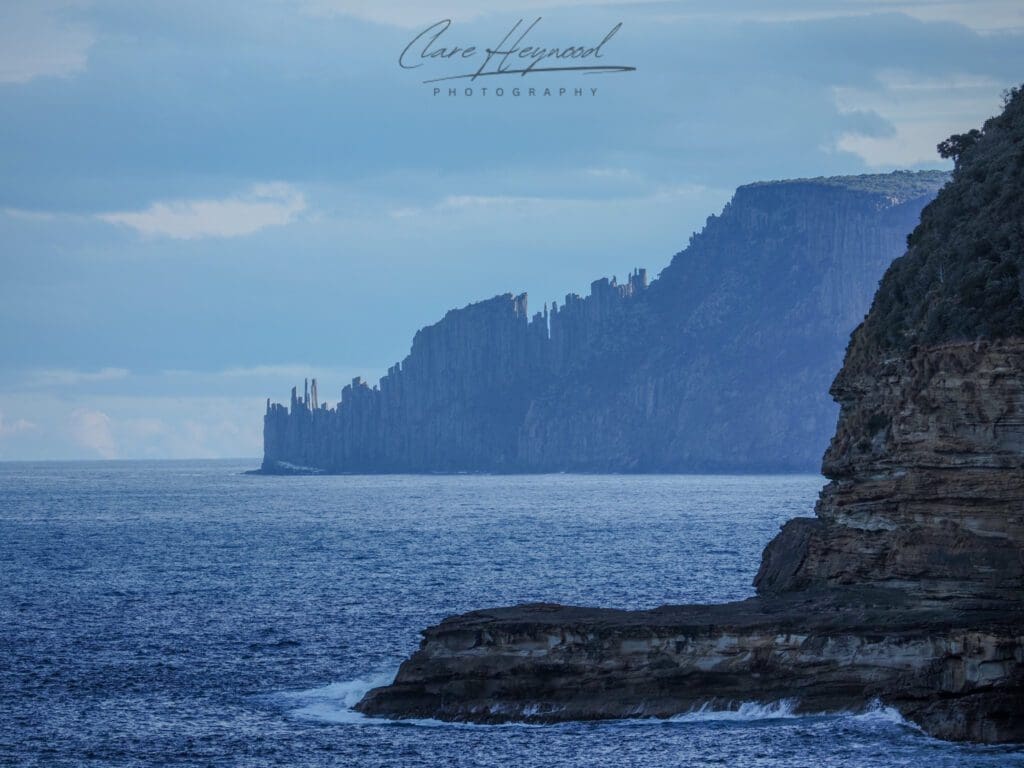
In Port Arthur, I recommend doing one of the three Capes trails. I chose Cape Raoul rather than Cape Hauy or Cape Pillar because it was easier to get to. The hike took 5hrs but it was gorgeous. Once you get through the forest, the view opens up in front of you and it is stunning! Carry on past the cliff view to two lookout points with different angles of the dolerite columns that make up the Tasmanian coastline. On the same track, you can follow the signs for Shipstern Bluff, to a lookout point down onto a beach known for its huge surfing waves.
For a short stop, check out the Remarkable Cave. This is a natural sea tunnel that leads all the way to the sea and a beach the other side. When I went there was a viewing platform in place and signs telling you not to go through the tunnel. It was still cool to see but my personal favourite was the view of Cape Raoul from Maingon Bay Lookout. You get an amazing side view of the columns sticking out at sea and I even saw some dolphins swimming in the sea too!
If you visit here in Spring or early Summer, Port Arthur Lavender will be in full swing with its beautiful sea of purple flowers. They also sell food and soaps, showcasing the flavours and uses of lavender.
Travel to Freycinet on day 6
Port Arthur to Freycinet -> 2hr 50mins
The drive to Freycinet is incredible, if you take the coastal route rather than in-land. The views of the beaches and surrounding mountains are insane and so the drive doesn’t feel so long. One stop on the way that I recommend is Kate’s Berry Farm. This is the cutest little berry farm/ cafe and the view from the seating area is so nice, especially with a scone and jam they make on the farm. The only issue I had with the place was they were using paper plates and cups to serve the food on so if you have a keep cup, take that with you to help reduce waste.


Days 6 – 8: Freycinet
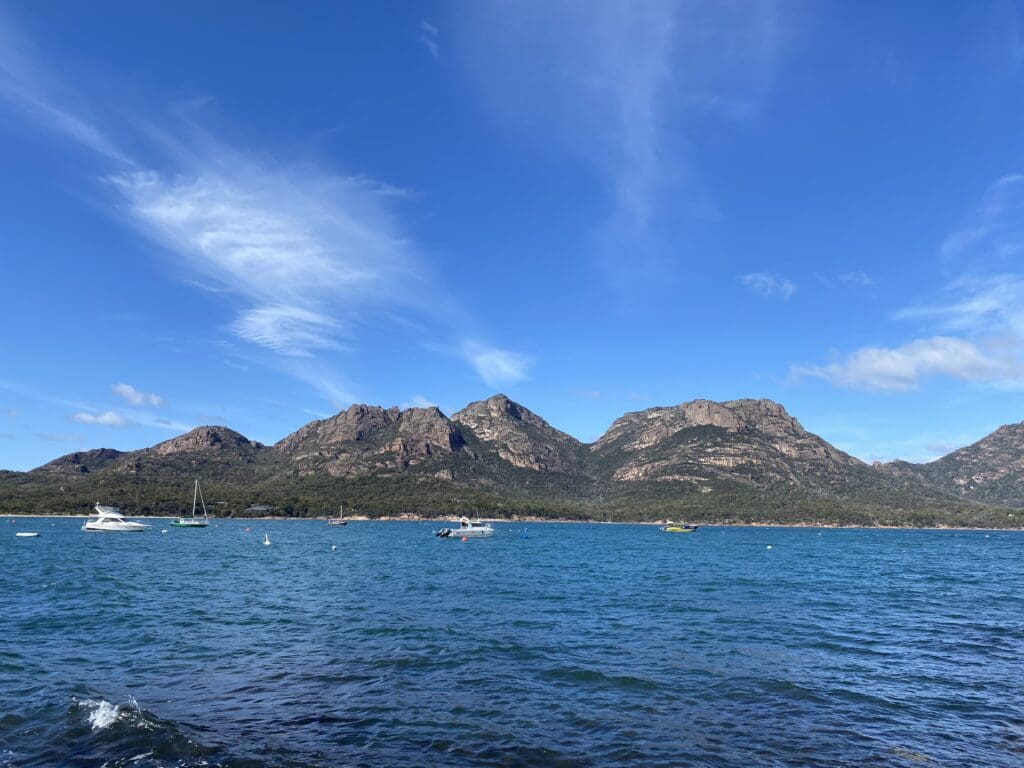
When you get to Freycinet, stop off at Coles Bay before entering the national park. There is an amazing view of The Hazards, the granite mountain range, from Coles Bay Boat Ramp. The mountains have a beautiful colour at sunrise and sunset.
In the national park there are loads of walks to do but the one you should do if you are here for one full day is Wineglass Bay. There is a car park at the end of Freycinet Drive and the trail is clearly marked. Walk to the lookout spot first before climbing the 1,000 steps down to the beach. It is worth the trek as the beach is just as gorgeous on the sand as it is from above and the sea is perfect for swimming (as long as no jellyfish are around). Occasionally you can find Wallabies chilling out on the beach that makes this place extra special. From here you can either walk back to the car park for a ~2hr walk or take the Isthmus Track and loop back to the car park following The Hazards Beach Track (3-4hrs). If you have time after the hike, stop off at Honeymoon Bay, Sleepy Bay (known for its massive red granite boulders) and Cape Tourville Lighthouse and Lookout. I didn’t go in the lighthouse but the views from the lookout is one of my favourite in the whole of Australia. I had a really calm day near sunset and the colours and stillness of the water was breathtaking. If you are lucky and go in the right season, you have a chance of seeing whales at this location too.
If you are up for more of a challenge, hike Mount Amos. This hike gives you an amazing view of Wineglass Bay and is a 3hr return track. However, only attempt this hike on dry days as it crosses very steep and slippery rock slabs, which are dangerous when wet. The summit is exposed so preferably little wind is ideal for conditions at the top.
Travel to Bay of Fires in the morning of day 8
Freycinet to Bay of Fires -> 2hrs 8mins
There are a couple of good stops on this journey, the first being Bicheno Blowhole. Biocheno itself sits on a few really pretty beaches, especially Redbill Beach so even if the blowhole isn’t your thing, it’s definitely worth a stop. In fact, all the beaches on this stretch of road are amazing.
A quick stop is Four Mile Creek Scenic Lookout which gives you great views of Four Mile Creek.
Shelly Point is another great view point, overlooking the coastline with the Hazards in the distance.


Days 8 – 9: Bay of Fires
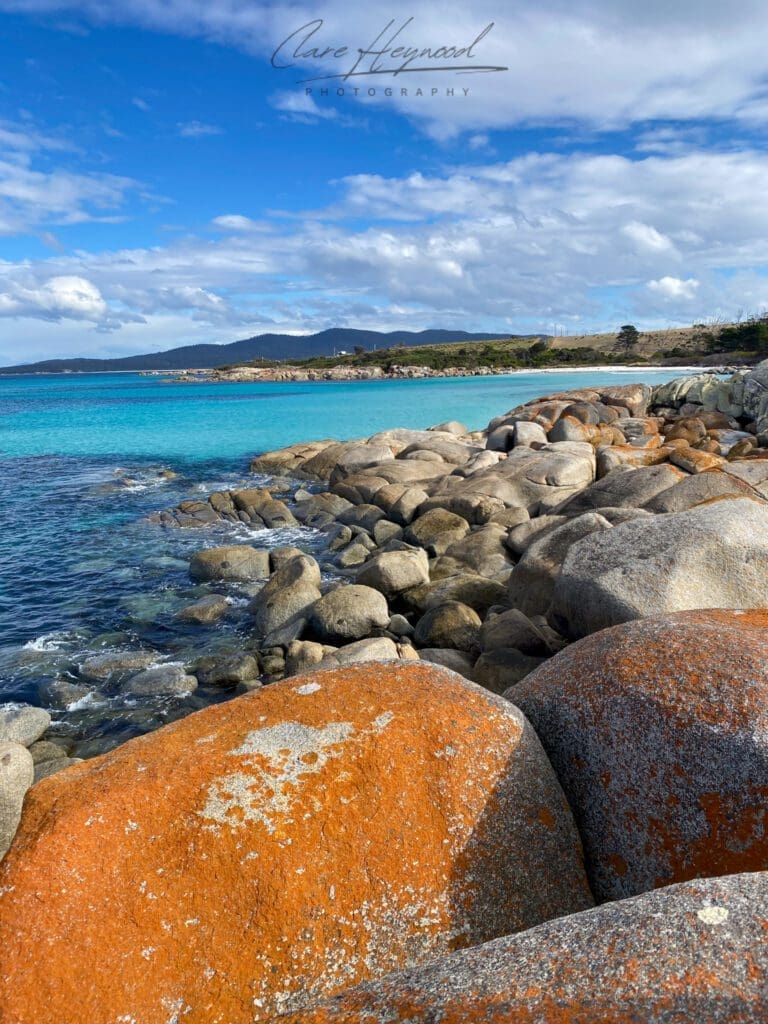
The colours in the Bay of Fires are just gorgeous! The lichen on the granite rocks give off an amazing orange and red colour coupled with the beautiful white sand and turquoise waters makes this area truly spectacular and has been named as some of the best beaches in the world. Binalong Bay is the areas main beach and is perfect for swimming, surfing or taking in the sights. A more secluded bay is Cosy Corner and if you walk north, you get to a granite outcrop that is covered in red lichen. The other really nice bay is The Gardens and it’s beautiful up there. There’s a small pull-over place as you approach the gardens called Suicide Beach but don’t let the name put you off, this beach is stunning and all the colours are insane.
Travel to Cradle Mountain in the morning of day 9
Bay of Fires to Cradle Mountain -> 4hrs 20mins
This next part of the journey is the longest drive you will do, to split it up head to Launceston and check out Cataract Gorge Reserve. The main trail at the Gorge was being renovated (Kings Bridge) so I walked the First Basin Loop and there was a great lookout point at the end. The native flowers and birds here make it hard to believe you are only a short walk away from the CBD.



Days 9 – 11: Cradle Mountain
Cradle Mountain is the place in Tasmania for hikers. It’s an absolute gorgeous national park and so if you want to spend longer in this area exploring I would understand. Firstly, the park runs a shuttle service from the car park to prevent cars from driving down the roads. Weirdly, if you get there before the shuttle starts, you can drive your car down to another car park within the park but parking is limited. Also, when you want to leave, you have to follow one of the shuttle buses out to avoid meeting a bus on the way out. I decided it was easier to get the first shuttle in and last shuttle out but this means you have to be conscious of time to not miss the last one back. Even though the Annual Park Pass says you need to buy a special pass for this park, you don’t. The person behind reception said that the wording is confusing and all you need to do is pay for the shuttle service.
There are many walks to do around here, including hiking to the summit of Cradle Mountain, but the weather was so bad when I went there was no point as the visibility wasn’t worth it. I decided to do a loop of Dove Lake instead. I hiked up to Hanson’s Peak (the other side of the more well-known Marion’s Lookout), walked across the Face Track and down the Overland Track to Marion’s Lookout. I liked this route because the hike to Hanson’s Peak is less well-known and so it was a lot quieter than the trail to Marion’s Lookout. It’s very steep to the peak of both Hanson’s and Marion’s, with a chain that has been installed to help hikers climb up. It was so cold when I went that the chain was freezing but the climb up was really fun, if not a little scary as it was quite wet underfoot.
Travel to Strahan on day 11
Cradle Mountain to Strahan -> 2hrs 10mins
I didn’t actually go to Strahan but the drive to Mount Fields National Park was so long I wish I had stopped off here to break up the journey.
On the way stop at Black Bluff Lookout for one last glance at Cradle Mountain, or like me, the one chance to see it!
Ocean Beach and Henty Dunes Lookout is another good stop.


Days 11 – 12: Strahan
Before heading to Mount Fields NP there’s a few thing to see in Strahan first:
- Strahan Waterfront – really pretty views of the water and harbour area, tour companies operate river cruises but they can last to up to 6hrs so make sure you still have enough time to head to Mount Fields
- Ocean Beach Lookout – you can get onto the beach from this lookout, it is down a dirt road at the end but in good condition so it should be fine (check with your insurance provider and use your intuition if you think you can drive down the road without damaging the rental). The sunsets here are really nice so you could do this in the evening of day 11
- Hogarth Falls – is a nice 40mins return walk through a forest to get to the waterfall, if you are lucky you may see a platypus in the river
Travel to Mount Field National Park on day 12
Strahan to Mount Field National Park -> 4hrs
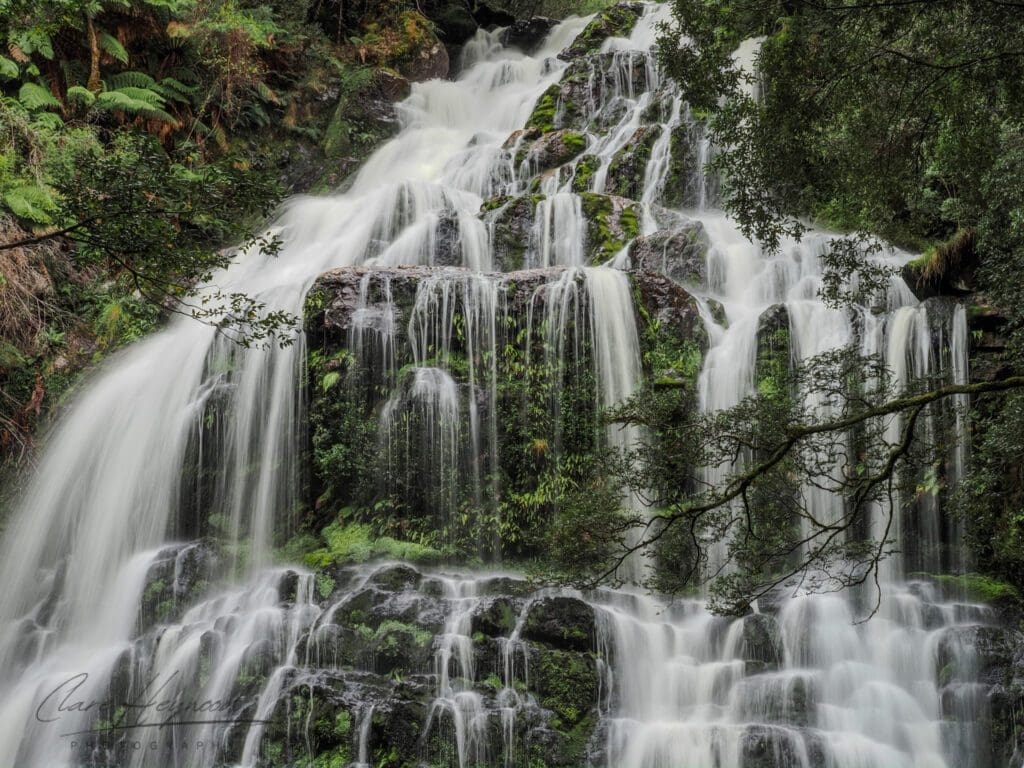
Another long drive today but there are a couple of stops along the way. You will go through an old gold mining town called Queenstown which is good for grabbing breakfast/ lunch before heading to the trail of Horsetail Falls. This waterfall is nestled in the mountains and falls down the mountain face. The trail to get to the lookout point skirts the side of the mountain but it’s a lot safer than it sounds as the path is well maintained. After a 20mins walk you get to the river at the top of the mountain before getting to the lookout over the top of the waterfall. This part was really cool but if you are scared of heights, maybe skip this one out. You also get an amazing view across the valley.
The second stop I recommend is Nelson Falls. This is a really nice secluded waterfall within a forest and is actually one of my favourite waterfalls in the area. Again, there are occasionally platypus in the river so keep an eye out.
Days 12 – 14: Mount Field National Park
Take around half a day to explore the waterfalls in this National Park. Start off at Russel Falls (there’s a big car park here) and then follow the trail to Horseshoe Falls. From this waterfall head towards the tall trees trail that eventually takes you to another waterfall called Lady Baron Falls. This walk is all within a eucalypt forest with some of the tallest eucalypt trees being in this area.
Within this National Park there is a really nice cafe called The Possum Shed Cafe. You can sit outside next to the river where a resident platypus is often seen swimming in the water. I caught a small glimpse of her while walking back to my car!
Travel back to Hobart on day 14
Mount Field National Park to Hobart -> 1hr 10mins


Tasmania. Tasmania. Tasmania. Tasmania. Tasmania. Tasmania. Tasmania. Tasmania. Tasmania. Tasmania. Tasmania. Tasmania. Tasmania. Tasmania. Tasmania. 14 Day. 14 Day. 14 Day. 14 Day. 14 Day. 14 Day. 14 Day. 14 Day. 14 Day. 14 Day.
Other Options:
- If you only have 12 days in this incredible place, chose between either Bruny Island or Maria Island and just spend one day in Mount Field National Park
